Indulge in the deliciousness of this authentic Puerto Rican Pan Sobao recipe! We’d love to hear your thoughts—share your experience with us in the comments below!
Pan Sobao is a beloved treasure in Puerto Rican culture, radiating warmth, comfort, and the island’s vibrant heritage. This delightful, slightly sweet bread is a staple in countless households, often gracing breakfast tables or complementing meals. The name “sobao” comes from the Spanish verb “sobar,” meaning “to knead” or “to massage,” perfectly capturing the tender kneading technique that creates its uniquely soft and airy texture.
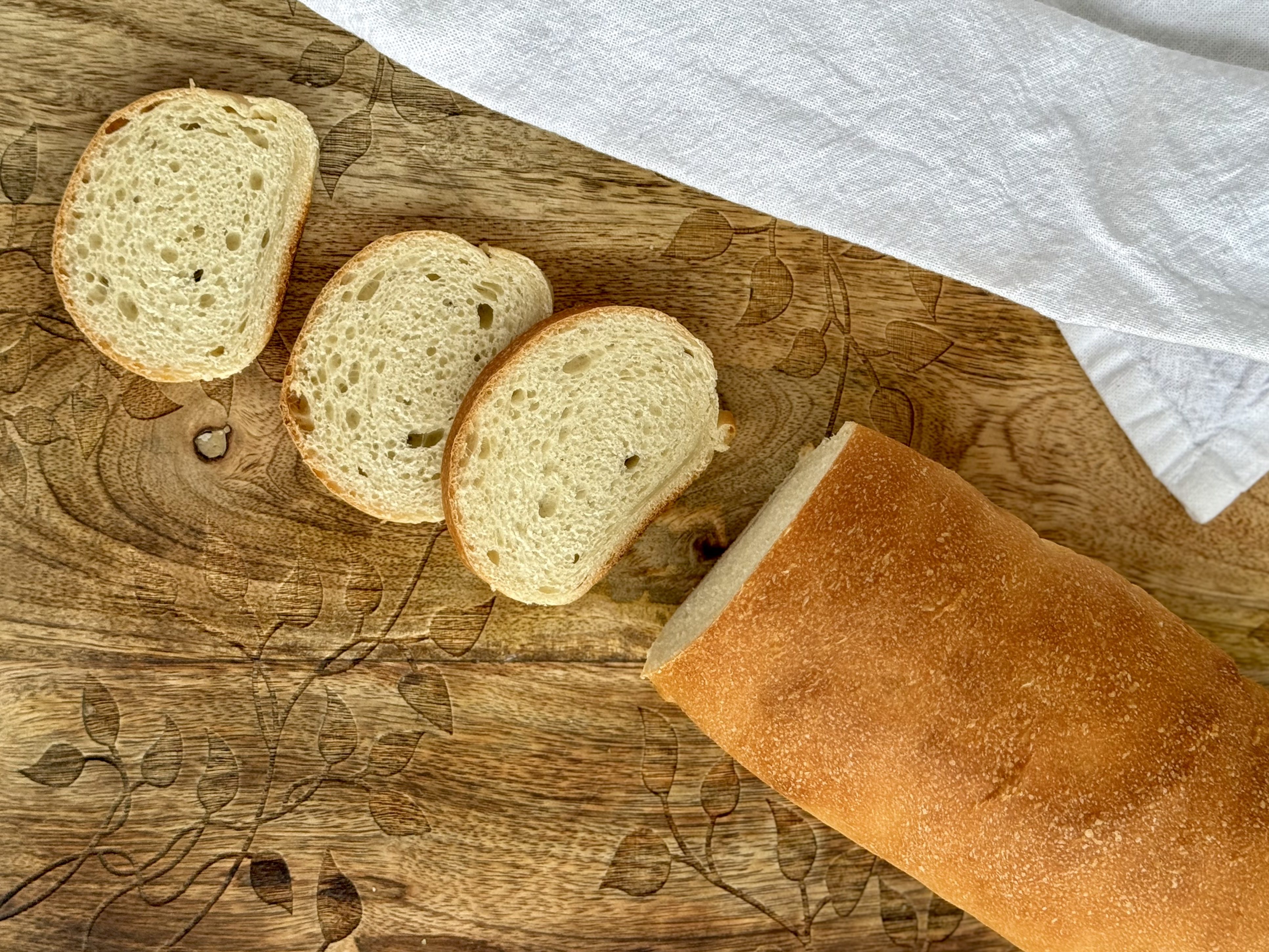
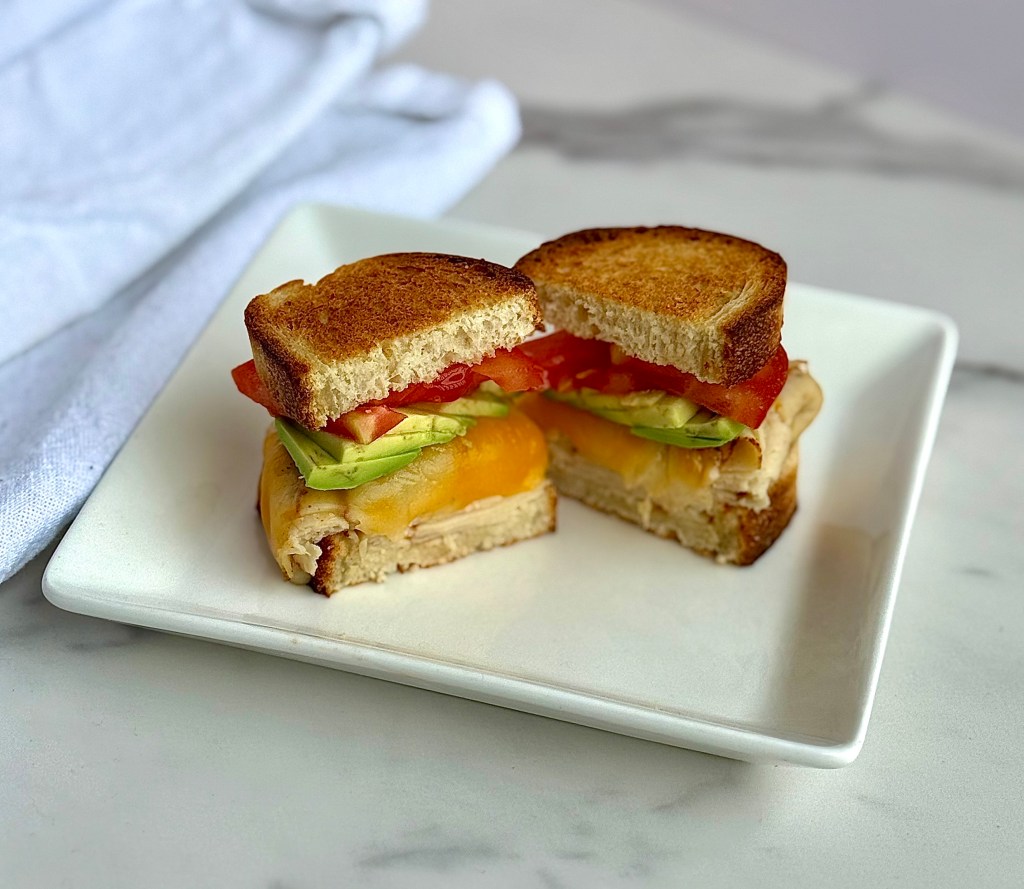
Whether enjoyed with butter, cheese, or as a sandwich base, Pan Sobao sparks fond memories of family gatherings and joyous celebrations. This authentic Puerto Rican Pan Sobao recipe beautifully reflects the rich tapestry of influences. These influences shape Puerto Rican identity, including Spanish and African roots. This makes it more than just a food item. It embodies the spirit and tradition of the island, uniting people through shared experiences and love for excellent cuisine. Every bite of Pan Sobao warmly embraces Puerto Rico’s culinary history. It reminds us of the joy of togetherness and the simple pleasures of life.
Recipe Roadmap
Recipe Difficulty Rating
Prep Time: 20-25 minutes
Total Rest Time: 2-2 1/2 hours
Baking Time: 22-26 minutes
Cooling Time: 30 minutes
Yield: 1 Loaf
Ingredients
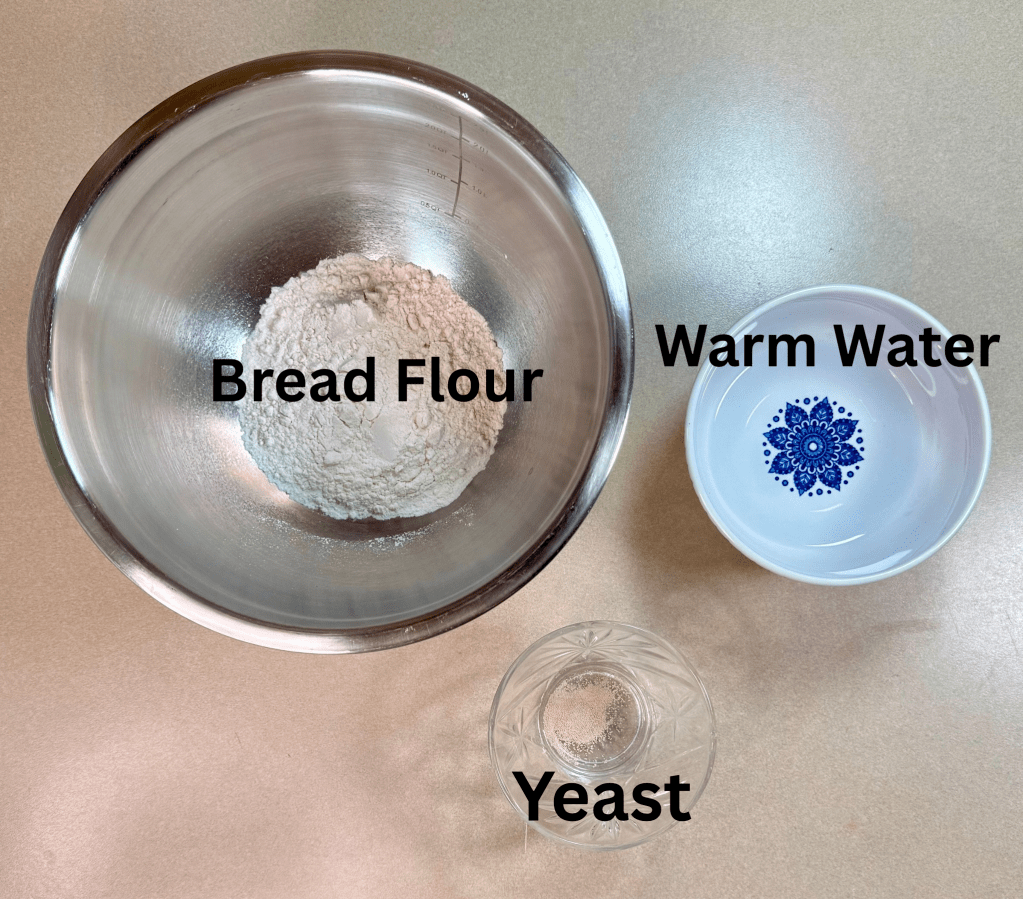
Sponge
- 1/4 cup(30g) Bread Flour
- 1/4 cup(60g) Warm Water
- 1/8 tsp(0.4g) Instant Yeast
Dough
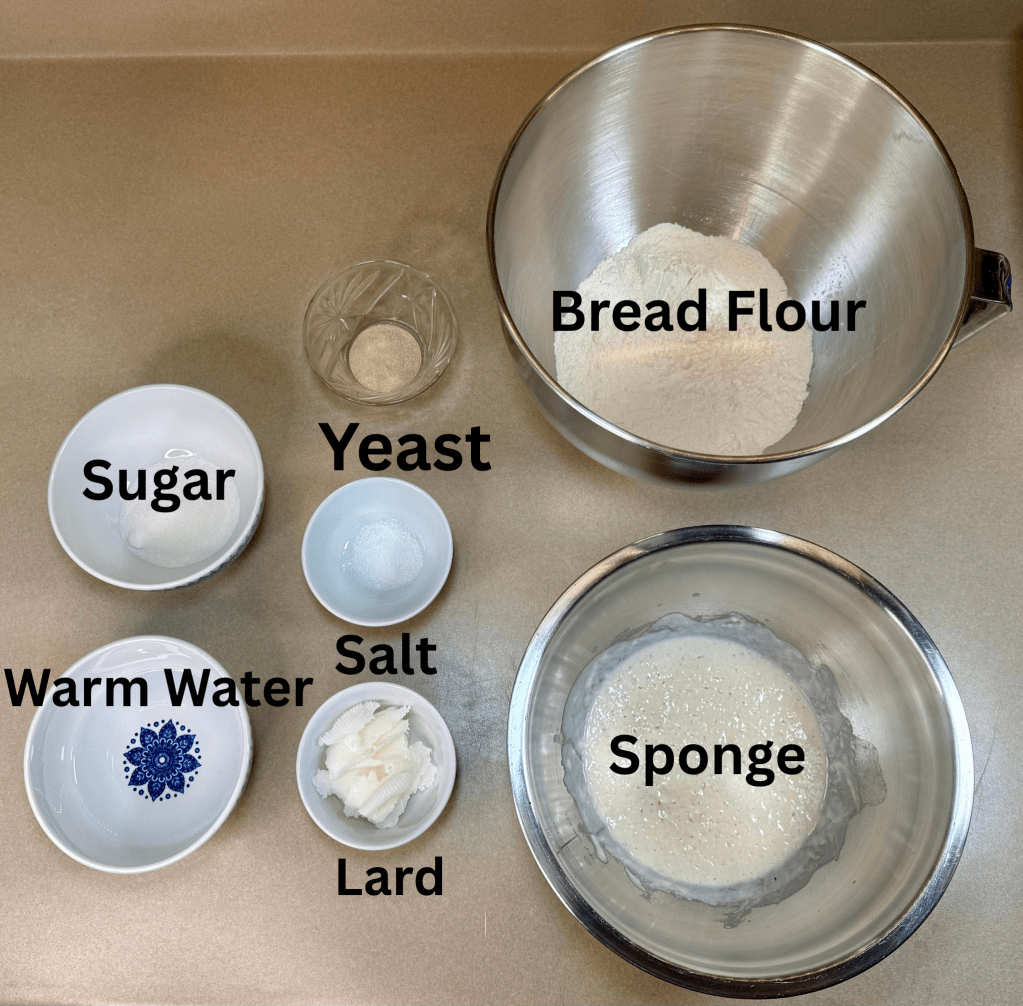
- 1 1/2 cups(210g) Bread Flour
- 1 tsp(3g) Instant Yeast
- 2 tbsp(25g) Sugar
- 3/4 tsp(4.5g) Salt
- 1 1/2 tbsp(22g) Lard (softened) (Lard can be substituted for butter or shortening)
- 6 tbsp(90g) Warm Water
- 1 tbsp(15g) Melted Lard (optional)
Equipment Needed
- Mixing Bowl
- Baking Sheet or Loaf Pan
- Cling Wrap, Towel, or Bowl Cover (to cover the dough while rising)
- Cooling Rack
- Stand Mixer with Dough Hook (optional)
- Kitchen Scale (optional)
- Pastry Brush (optional)
- Oven Safe Pan (optional, to create steam in the oven)
Scroll past instructions for Tips & Tricks
Instructions
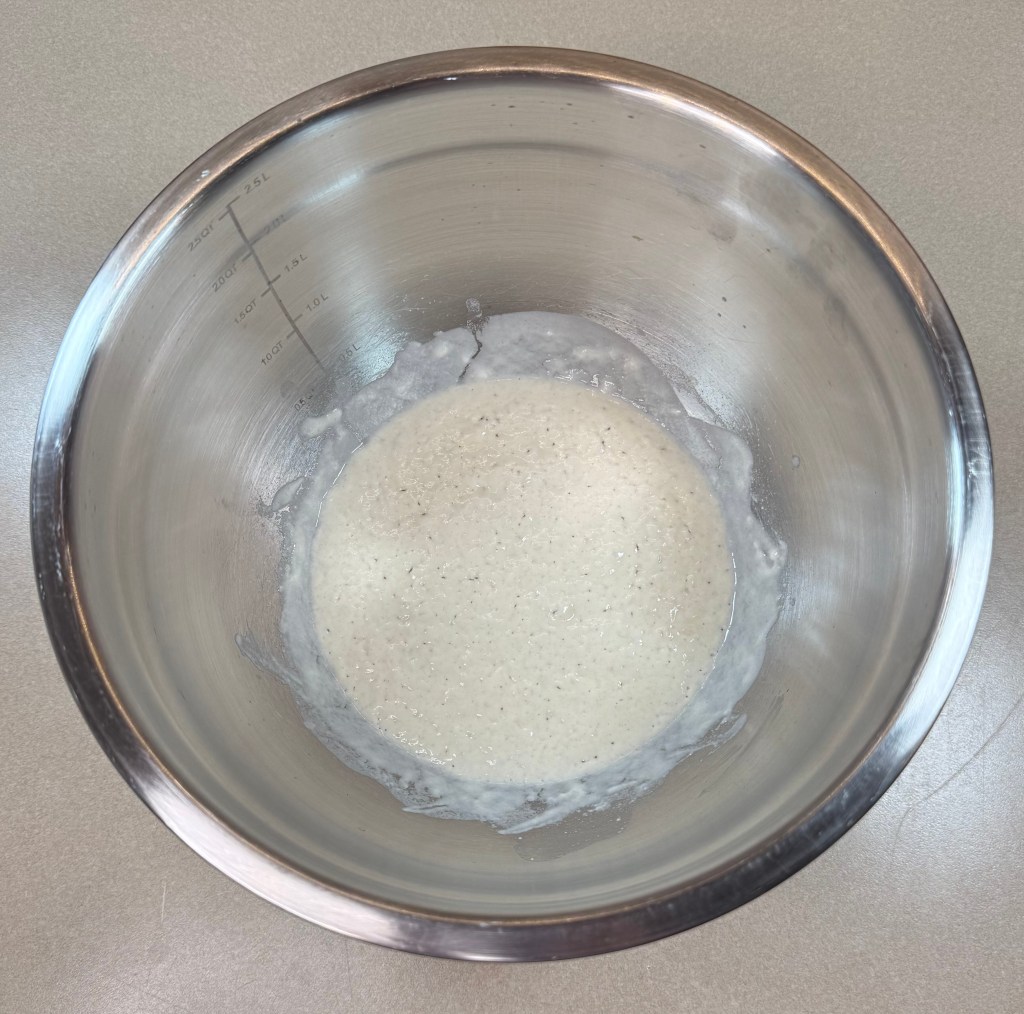
- In a small bowl, mix together 1/4 cup(30g) bread flour, 1/4 cup(60g) warm water, and 1/8 tsp(0.4g) yeast until well combined.
- Cover with plastic wrap and let sit at room temperature for 4–12 hours, until bubbly and foamy.
- Combine all of the dough ingredients, except the melted lard, and the sponge in a mixing bowl. (If kneading by hand, skip to step 6).
- Mix on low speed for 2 to 3 minutes, or until the dough just comes together.
- Increase to medium speed and mix for 8–10 minutes. Continue mixing until the dough is smooth and elastic. It should pull away from the sides of the bowl.
- If kneading by hand, mix the dough ingredients, except the melted lard, in a bowl until a shaggy dough forms. Transfer the dough to a lightly floured surface and knead for 12–15 minutes. You’ll know when it’s ready when the dough feels smooth, not sticky and stretches without tearing.
- Form the dough into a round shape and place it in a lightly greased bowl. Cover it with plastic wrap or a damp towel and let it rise for 1 to 1.5 hours until doubled in size.
- Remove the dough from the bowl and place it on a lightly floured surface. Use your fingers to gently press the dough and degas it.
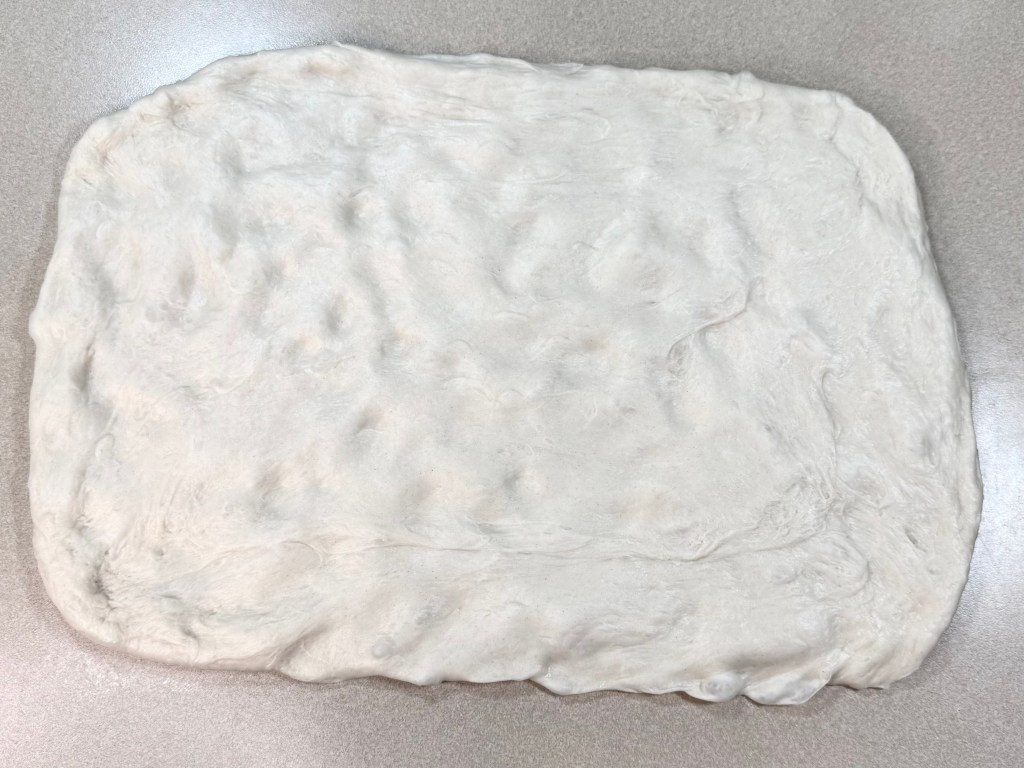
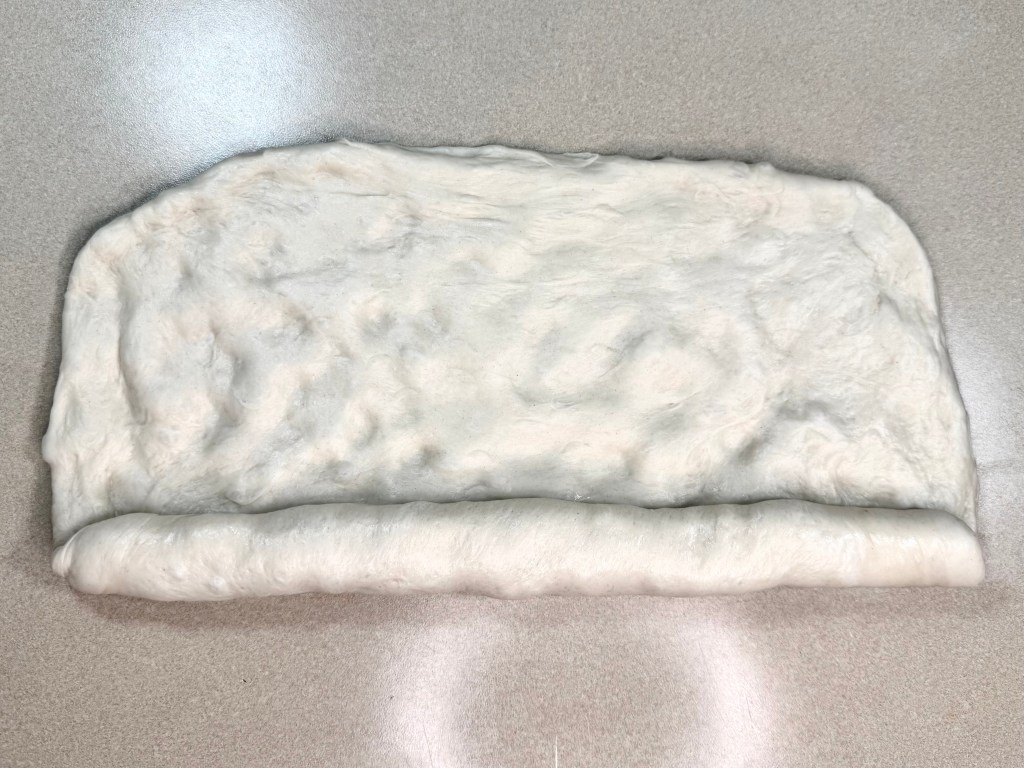
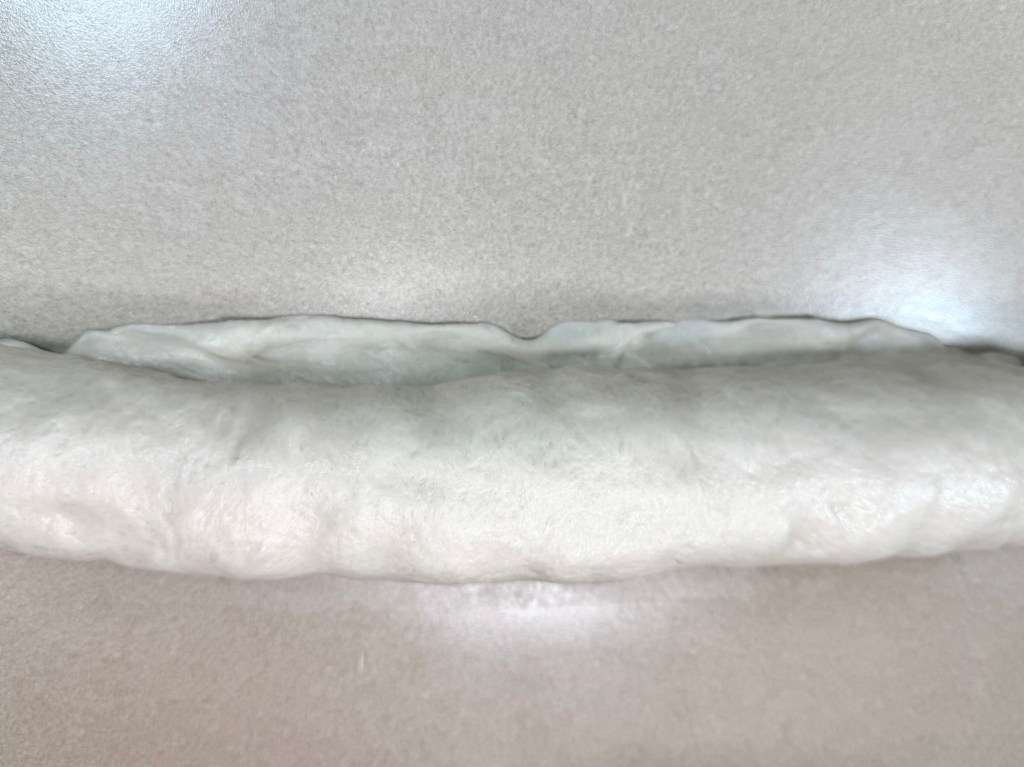
- Shape the dough into a rectangle, roll it up tightly into a log, and pinch the seam closed.
- Place it seam-side down on a sprayed baking sheet or loaf pan. Cover with plastic wrap or a damp towel. (Optional) Brush the dough with melted lard before letting it rise for a softer crust.
- Let the dough rise for 45 minutes to 1 hour, until puffy and nearly doubled in size. (Optional) Brush the dough with melted lard before baking for a softer crust.
- Preheat the oven to 350°F (175°C).
- Bake for 22–26 minutes, or until golden brown.
- Allow the loaf to cool on a wire rack for at least 30 minutes before slicing. Buen Provecho!
Nutritional Information (per Slice)
Provided by ChatGPT
148 Calories
2.7g Sugar
3.2g Protein
0.9g Fiber
25.6g Carbs
3.4g Fat
233mg Sodium
Tips & Tricks
- Traditional Pan Sobao uses lard, which gives it that unmistakable flavor and tender texture. You can substitute with shortening or butter, but lard is the most authentic and effective for softness.
- Using a sponge is a fantastic way to elevate your bread’s flavor while achieving a wonderfully soft crumb! For the best results, let it ferment overnight. You can store the sponge in the refrigerator for up to 24 hours. Just remember to let it warm up at room temperature for 30 to 60 minutes before mixing it into your dough. If you decide against refrigeration, simply allow it to rest on the counter for 4 to 12 hours. Happy baking, and enjoy the delicious results!
- To activate the yeast properly, keep the water between 105 and 110°F (40 to 43°C). Water that is too hot can kill the yeast, while water that is too cold will not activate it effectively. It should feel slightly warmer than body temperature, or you can use a thermometer for accuracy.
- Under-kneaded dough doesn’t develop enough gluten, which affects the rise and texture. Knead until the dough is smooth, stretchy, and slightly tacky but not sticky.
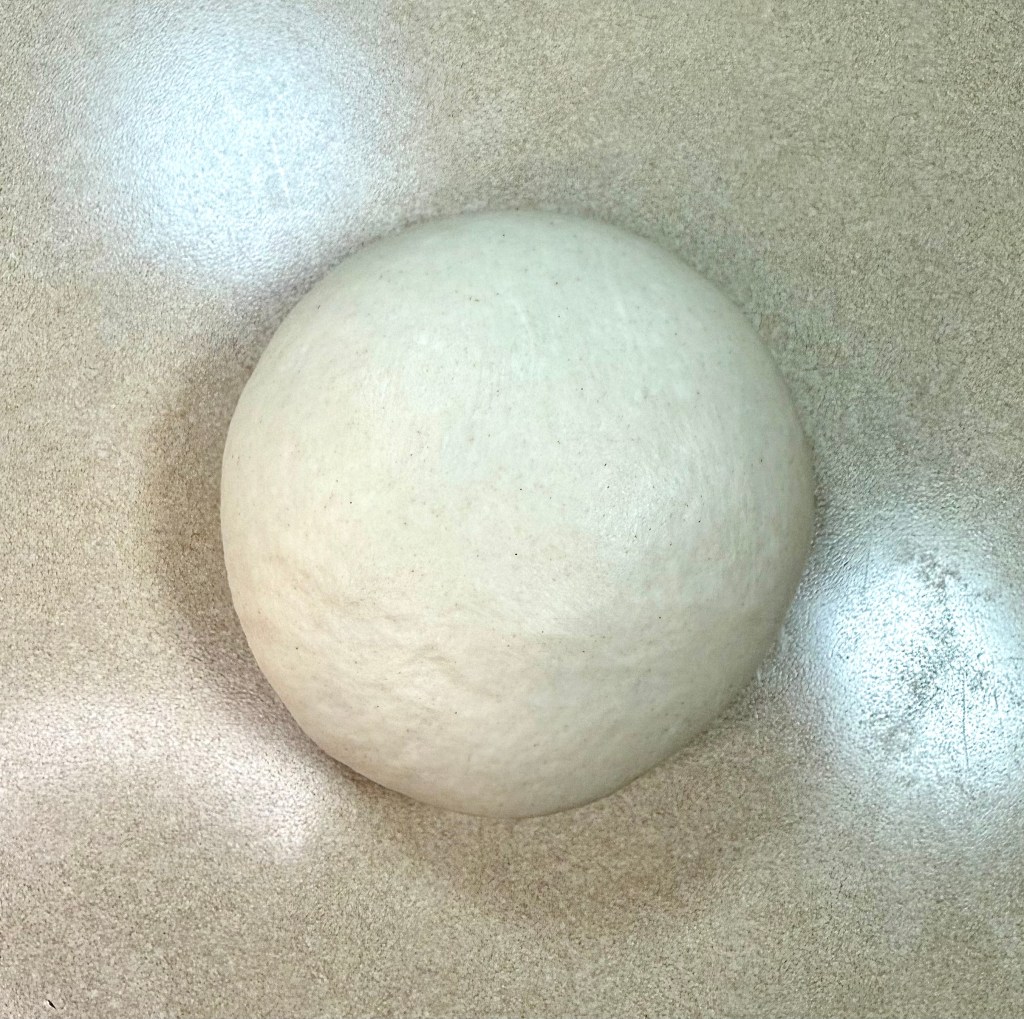
- If you’re uncertain about your dough’s readiness after kneading, no worries! Simply cover it and let it rest for 10 minutes. Then, grab a small piece of the dough and stretch it gently. If it stretches out thin and you can see through it without ripping, it’s perfect! If it tears easily, knead it a little more to achieve that perfect texture.
- Apply a light coating of oil or lard to the dough while it’s rising to prevent drying and sticking. This also adds softness to the crust.
- For a softer and fluffier bread, place an oven-safe dish filled with an inch of water on the bottom rack of your oven. This will generate steam, enhancing the baking process and elevating your bread’s texture!
- Brush the loaf with melted lard or vegetable oil before baking it for a soft, golden crust.
- When tapped on the bottom, the baked bread should sound hollow or read 190°F (88°C) internally.
- Slice the loaf when you’re ready to serve for optimal freshness and flavor!
Storage
- Allow the bread to cool completely after baking—at least 1 to 2 hours.
- Wrap the loaf tightly in plastic wrap, ensuring it is well-sealed.
- Place the wrapped loaf in a sealed bag or an airtight container.
- Pan Sobao can be stored in the freezer for up to 3 months.
The History and Significance of Pan Sobao in Puerto Rico
Pan Sobao is a cherished Puerto Rican bread that is renowned for its soft, chewy texture and subtly sweet, enriched flavor. The name “Pan Sobao” translates to “soaked” or “kneaded” bread. This highlights the intensive kneading process, or “sobado,” that contributes to its distinctive texture.
Pan Sobao traces its roots to the early 20th century and is deeply influenced by Spanish and Caribbean baking traditions. Pan Sobao differs from Pan de Agua, which is crustier and more like a baguette. It is made with lard (or shortening), sugar, and sometimes milk. This gives it a softer crumb and rich flavor.
Traditionally crafted in local bakeries, the aroma of fresh Pan Sobao wafted through neighborhoods. Families often picked up warm loaves for breakfast with butter and café con leche. They are also used at dinner to soak up sauces and hearty stews like Asopao and Carne Guisada.
FAQs
What is Pan Sobao?
Pan Sobao is a traditional Puerto Rican bread known for its soft, chewy texture and slightly sweet flavor. It’s enriched with fat (usually lard or shortening) and sugar. It’s a staple in Puerto Rican homes.
What’s the difference between Pan Sobao and Pan de Agua?
Pan Sobao includes fat and sugar, making it softer and sweeter. Pan de Agua is crustier and made with only flour, water, salt, and yeast, resembling a baguette.
Can I use butter instead of lard?
Yes, you can! Butter adds a rich flavor but can result in a less soft texture compared to lard or shortening.
Do I need to make a sponge?
While using a sponge is optional, it truly elevates the flavor and texture of your bread! However, if you’re pressed for time, no worries! You can simply skip the first 2 steps and mix everything together in one go. You’ll still create delicious bread, so feel free to choose the method that works best for you!
How long should I knead the dough?
If you are kneading by hand, it will take approximately 12 to 15 minutes. If you are using a stand mixer, it will take about 8 to 10 minutes.
What flour is best for Pan Sobao?
Bread flour is fantastic for Puerto Rican Pan Sobao! Its higher protein content gives your bread that perfect chewy, stretchy texture.
Can I make the dough ahead of time?
Absolutely! You can let the dough rise overnight in the fridge, covered. The shaped dough can be wrapped and stored in the freezer for up to 3 months. When ready to bake, thaw it in the fridge for 12 hours, or overnight. Then let it rest on the counter, covered, for 30 minutes to an hour before baking.
I hope you enjoy making this Pan Sobao as much as I do—it’s truly a labor of love! I’m sure it’ll bring a little piece of Puerto Rico into your home. If you try this recipe, I’d love to hear how it turned out! Drop a comment below to share your thoughts, tips, or any fun variations you made. If you have any questions, don’t hesitate to ask! Happy baking!
Designed with WordPress


Leave a Reply